Tagging Strategy
RapDev helps you build a scalable tagging strategy that creates a consistent, organization-wide model, ensuring you can easily access the data that matters most
Case in Point
Increase infrastructure visibility with an effective tagging strategy
The Problem
A sound tagging strategy underpins any successful cloud transformation, regardless of tools or platform. Many customers stumble by creating tags manually instead of automating them via cloud templates, infrastructure-as-code, or configuration management tooling.
The Solution
Our engineers help you identify which tags are mandatory, which can be optional or nice-to-have, and how to apply, maintain, and consume them in a scalable, automated way. Your tagging strategy then scales across every platform you adopt, not just the one you started with.
Our Approach
A tagging strategy built with context tied to your business and your engineering teams
Discovery
RapDev engineers assess the current state of your tagging, identifying gaps and recurring issues in tag nomenclature and implementation.
Review
Our expert SRE team works with you to identify critical versus optional tag keys, allowed values for those keys, and where to implement them so both technical and business users can fully leverage the Datadog products in use at your organization.
Plan
RapDev’s engineers architect a scalable, automated approach to applying and maintaining tags across infrastructure and application configurations using your automation tooling already in place.
Implement
New or modified tag keys and values are applied, validating configurations and telemetry in lower environments before shipping to production. Existing observability artifacts will be modified or cloned according to the new strategy so you don't lose visibility along the way.
Business Impact
What consistent tagging delivers
Faster Incident Resolution
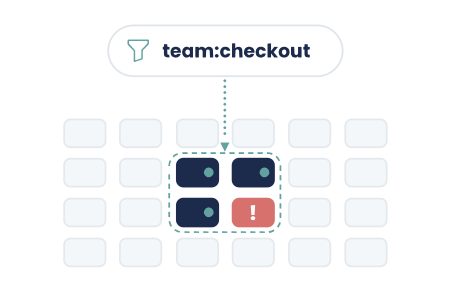
Consistent tags let responders filter straight to the affected systems, so teams spend their time fixing issues instead of hunting for owners and blast radius.
Clear Ownership and Accountability
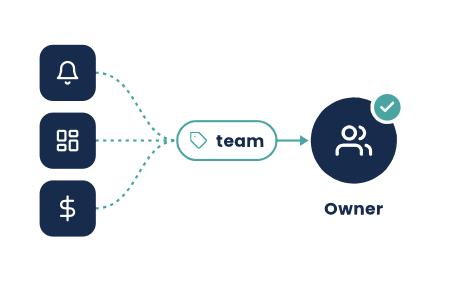
Every alert, dashboard, and cost line maps to an accountable team. Issues reach the right on-call owner the first time, and shared infrastructure stops going unclaimed.
Cost Visibility and Control
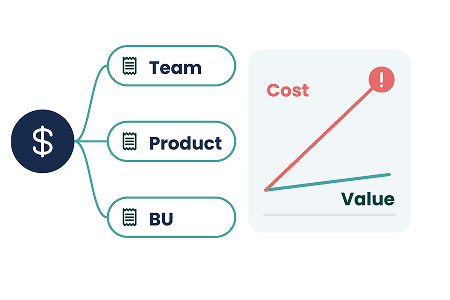
Spend attributed by team, product, or business unit supports showback and chargeback, and shows where usage is growing faster than value.
Governance That Scales
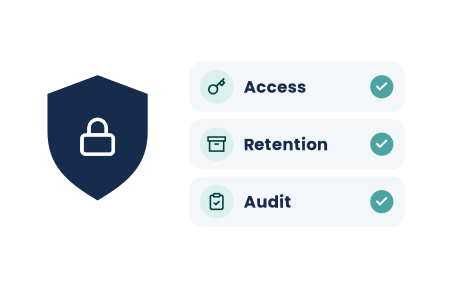
Standardized tags for data classification, environment, and compliance scope let you apply access controls, retention, and audit coverage consistently, without manual investigation.
Automated Tag Application
Tags applied through infrastructure as code and CI/CD pipelines, and enforced by policy, mean new systems arrive fully labeled and stay that way as they move to production. No manual cleanup required.
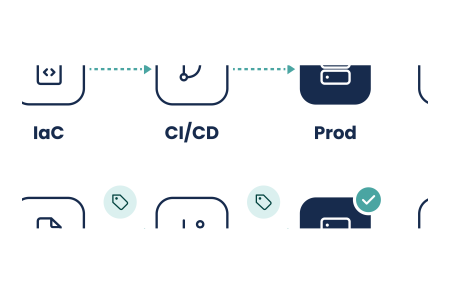
Tags that scale with your cloud journey
Automation Over Manual Tagging
We guide teams away from the most common cloud tagging mistake: doing it by hand.
Business and Engineering Alignment
Tagging strategies built to serve both cost and performance reporting for technical and business users alike.
Years of Cross-Customer Experience
Advisory built on experience developed and tuned across a wide range of engagements with customers in nearly every industry.
Cross-Platform Scalability
Strategies designed to extend across every modern platform you adopt, not just Datadog.
Hands-on-keys expertise
A sound tagging strategy starts with knowing which tags are mandatory and which are optional. RapDev engineers help teams use tags to compare error rates, track costs, and correlate data across environments. Watch a RapDev Datadog tech lead walk through the essentials.
FAQs
Questions engineers ask first
What do we have when the engagement ends?
A documented tagging standard covering required keys and allowed values, plus the automation that applies it through your existing infrastructure tooling.
Do we need a full Datadog rollout before working on tagging strategy?
No. RapDev works with organizations that are new to Datadog, and those already live, refining or building out tagging either way.
Will our tagging be ready for Datadog’s AI features?
Consistent tagging, template variables, and well-structured telemetry make Datadog’s AI, such as Bits Investigation, more effective. RapDev prepares your environment so that data is in place.
Why bring in RapDev instead of doing this in-house?
Tagging has to be agreed across business and engineering teams, then automated across your infrastructure, and RapDev has done that across many industries. RapDev is a Premier Datadog Partner with 110 engineers and 68 Datadog certifications, and you work with the engineers doing the work.
Does RapDev start from a template or build a standard from scratch?
RapDev brings experience from hundreds of Datadog engagements, and we’ll certainly offer suggestions for tags that we’ve seen at other organizations or those in a similar vertical. That being said, every organization is different, so we’ll also apply your unique business context to define the required keys and allowed values, so the standard fits your operating models.
What happens to ownership tags when teams reorganize?
Reorgs are something we see constantly at RapDev, and tagging schemes that depend on hand-edited values tend to break the first time one happens. When we work with customers to build out their tagging strategy and the automation that comes with it, we source tags from your CMDB if possible, so a team change gets updated once at the source and flows through to every associated artifact. This keeps ownership accurate through the reorg without anyone having to retag resources by hand.
Let's get started
Ready to optimize your Datadog tagging strategy? Connect with our engineers.